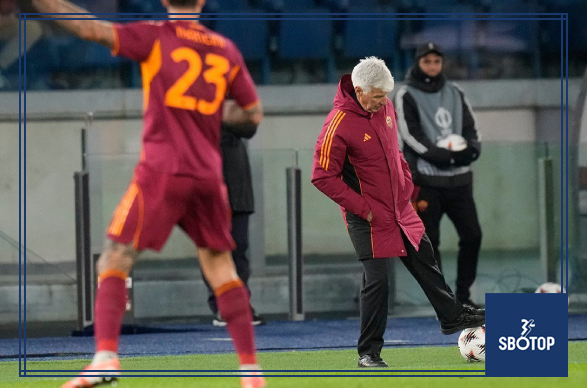
The summer period marked a decisive crossroads for Juventus, as the club prepared for a new chapter on the bench. Although the Bianconeri managed to secure a top-four finish and Champions League qualification, the leadership in Turin believed that continuity alone was no longer enough. A coaching change was carefully planned, with the aim of redefining the club’s direction and long-term identity.
Juventus wanted a figure capable of delivering fresh ideas, modern football principles, and a sustainable project. That search inevitably led them to Gian Piero Gasperini, whose reputation had grown steadily thanks to years of consistency and innovation with Atalanta.
However, Juventus’ move for Gasperini did not unfold in isolation. By the time the club seriously shifted its focus toward him, they were already facing stiff competition from AS Roma, who had acted earlier and with greater clarity.
Juventus’ Original Plan and a Sudden Change of Course
Juventus’ initial priority during the early stages of the summer was to bring back Antonio Conte. The idea of a Conte return appealed strongly to the club’s hierarchy, given his proven ability to restore discipline, intensity, and a winning mentality.
Those plans, however, collapsed when Conte decided to extend his contract with Napoli, firmly closing the door on a return to Turin. With that option off the table, Juventus were forced to accelerate their search for an alternative profile.
Gasperini quickly emerged as the leading candidate. Juventus admired his progressive playing style, tactical courage, and the structural stability he had built at Atalanta over several seasons. For the club, he represented a potential bridge between competitiveness and long-term development.
Yet timing proved crucial. While Juventus were recalibrating their strategy, Roma had already made their intentions clear.
Roma’s Early Move and Strategic Advantage
Unlike Juventus, Roma entered the summer with Gasperini firmly at the top of their shortlist. The club’s management identified him early as the ideal architect to guide their next phase, especially after a period of inconsistency and unfulfilled expectations.
Roma’s approach was decisive and direct. They presented Gasperini with a clearly defined project, outlining not only immediate objectives but also the broader vision for squad building, tactical identity, and long-term growth.
By acting early, Roma placed themselves in a stronger negotiating position. While Juventus were still adjusting their plans following Conte’s decision, Roma had already established trust and momentum in discussions with Gasperini.
Gasperini Explains His Choice
When the decision was finally made, Gasperini surprised many observers by choosing Roma over Juventus. Speaking in an interview quoted by Tuttomercatoweb, the experienced coach offered a candid explanation for his choice.
“Because the challenge here is more difficult,” Gasperini said. “I’m happy with how things are progressing, and we’re now entering an important phase as the first half of the season comes to an end.”
For Gasperini, the appeal of Roma lay in the complexity of the task. He viewed the Roman project as one that demanded deeper structural work, both on and off the pitch. Building a competitive side under intense scrutiny, with high expectations but fewer guarantees, represented a challenge he found motivating.
Respect for Juventus Remains
Despite rejecting their offer, Gasperini was careful to underline his respect for Juventus. His decision, he insisted, was not a reflection of doubt about the Turin club’s stature or potential.
“Juventus are still a great team—very strong, with the ability to keep growing,” he explained.
Gasperini also acknowledged the enduring DNA of Juventus, describing a club that is naturally driven by ambition and the pursuit of victory at the highest level. His comments made it clear that the choice was about personal and professional alignment, not a judgment on Juventus’ quality.
Different Projects, Different Challenges
From Gasperini’s perspective, Roma offered a project that aligned more closely with his coaching philosophy at this stage of his career. He has built his reputation on transforming teams through patience, tactical clarity, and long-term planning rather than instant success.
At Juventus, the expectations are immediate and unforgiving. Any coach stepping into the role must deliver trophies quickly, often with limited tolerance for transitional periods. Roma, by contrast, presented a scenario where growth, identity, and gradual progress were central to the plan.
This distinction ultimately proved decisive.
A Decision That Continues to Spark Debate
As the season unfolds, Gasperini’s choice remains a major talking point across Italian football. The upcoming Serie A clash between Juventus and Roma adds an extra layer of intrigue, serving as a symbolic comparison between the path chosen and the opportunity left behind.
For Juventus, the episode highlights the importance of timing and clarity in strategic decisions. For Roma, it represents a significant statement of intent—securing a coach whose philosophy and experience could reshape their future.
Looking Ahead
Gasperini’s decision was not driven by comfort or familiarity, but by the desire for a demanding challenge. In choosing Roma, he embraced complexity over certainty, development over immediate pressure.
Whether that choice proves successful will be judged over time. What is clear, however, is that his rejection of Juventus was not a rejection of ambition—but a reflection of where he believes his ideas can make the greatest impact.
As Juventus and Roma continue their respective journeys this season, Gasperini’s summer decision stands as one of the defining stories of the campaign, offering insight into how modern coaches weigh legacy, vision, and challenge in shaping their careers.
ALSO READ :